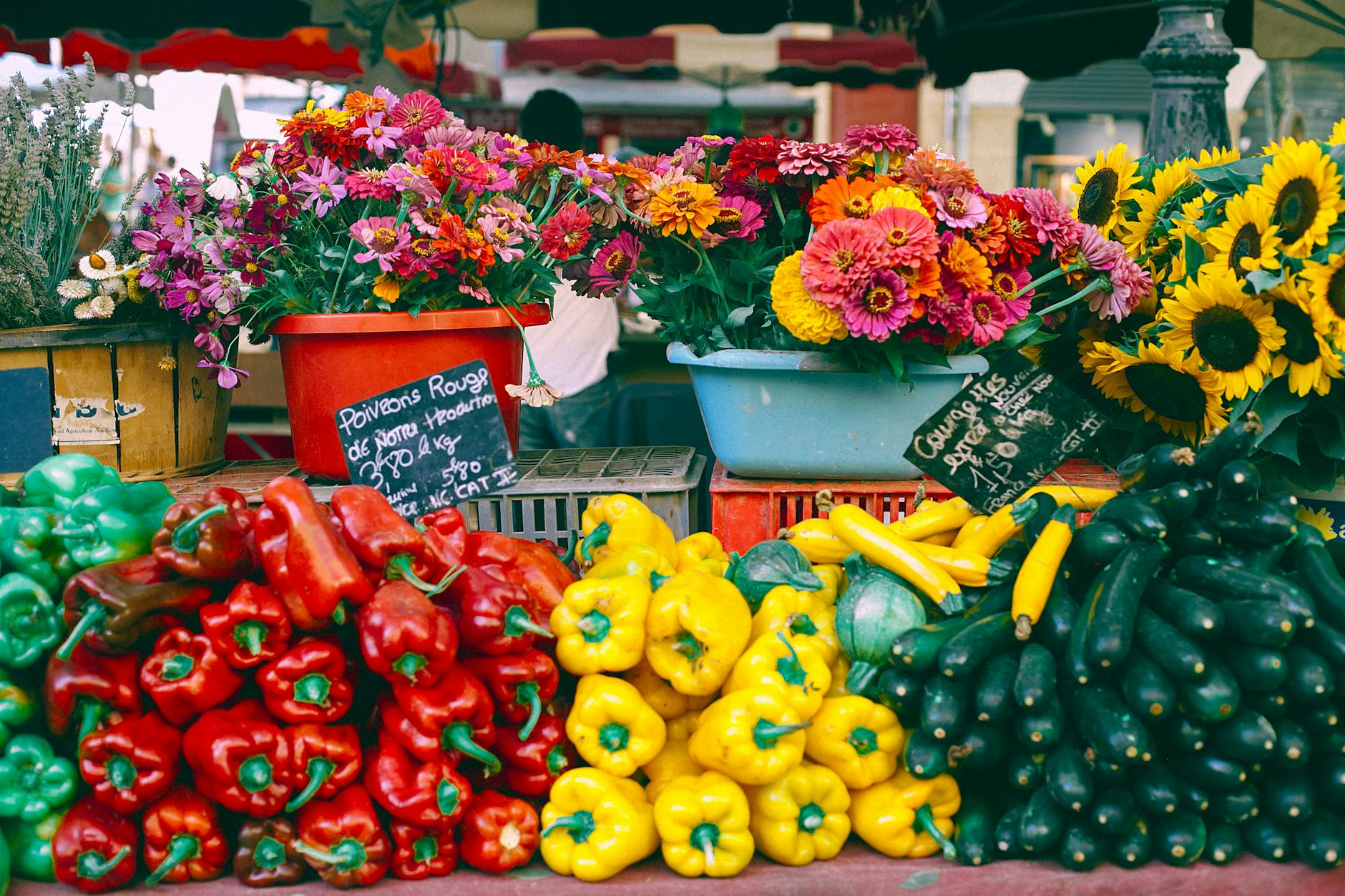
A seasonal menu is one of the simplest ways to eat better on holiday. Instead of replicating what you'd cook at home, you let the time of year and the local produce guide every decision. The results tend to be fresher, more interesting, and often surprisingly easy to pull off, even in an unfamiliar kitchen. Whether you're cooking for two at a coastal retreat or feeding a full family group in the bush, planning around what's actually in season transforms the whole experience.
Why seasonal eating works so well on holiday
At home, habit drives most of what ends up on the plate. On holiday, those habits loosen, and that's exactly when a seasonal approach starts to shine. Produce that's been harvested recently tastes noticeably better than whatever travelled interstate or sat in cool storage for weeks. Local farmers' markets, roadside stalls, and small-town grocers often stock things that never appear in supermarkets, and browsing them becomes part of the trip itself.
There's also a practical upside. Seasonal produce tends to be cheaper and more abundant, which means you can cook generously without blowing the food budget. A crate of late-summer tomatoes or a bag of just-dug new potatoes costs very little when the season peaks, yet they anchor meals that feel genuinely special.
Building your seasonal menu before you arrive
A little research before departure pays off quickly. Look up what's typically in season in your destination region for the time of year you're travelling. Winter in the highlands calls for root vegetables, hearty greens, and braising cuts. Summer on the coast suggests stone fruit, fresh fish, zucchini, and salads that barely need dressing. Spring everywhere delivers asparagus, peas, and broad beans worth celebrating.
Once you have a loose sense of what will be available, build around two or three anchor ingredients rather than a rigid list of recipes. If local sweet corn is at its peak, you might use it in a fritter batter, char it on the grill, and fold it through a salsa. One ingredient, three uses, almost no waste. That kind of flexibility suits holiday cooking far better than a strict meal plan that falls apart the moment the market runs out of something.
Before you finalise your menu, it's worth thinking carefully about kitchen access in your holiday stay, since the equipment available will shape what's actually realistic to cook. A single electric hob calls for different thinking than a full oven and a gas range.
Seasonal menu ideas by setting
The natural surroundings of your stay offer useful cues for the style of cooking that makes most sense.
- By the coast: Lean into seafood, citrus, and fresh herbs. Grilled fish with a salsa verde, a simple prawn pasta, or a chilled seafood platter all suit the relaxed pace of a beach stay. Acidic dressings and light textures feel right when you're spending time near the water.
- In the bush: Smoky, warming, and robust. A slow braise on the stovetop while you're out walking, a sheet-pan roast of root vegetables, or a big pot of soup made from whatever looked good at the local market. The unhurried rhythm of a bush setting rewards cooking that doesn't rush.
- In the hills or highlands: Rich dairy, aged cheeses, preserved meats, and whatever the altitude and cool climate coax from the soil. A simple cheese board anchored by local produce, or a pasta made from scratch if the kitchen runs to it, suits the mood perfectly.
Shopping like a local
Supermarkets are convenient, but they rarely tell you what's actually growing nearby. Farmers' markets, farm gates, fishmongers, and butchers who source regionally will give you a much more accurate picture of what's at its best right now. Ask questions. The person who grew the tomatoes can tell you exactly what to do with them, and that kind of knowledge improves any seasonal menu immediately.
If the accommodation itself is in a rural setting, some properties grow herbs, keep chickens, or have fruit trees that guests are welcome to use. It's always worth asking. A handful of just-picked herbs or a bowl of garden eggs changes a meal in a way that no supermarket substitute can replicate.
Keeping it simple and enjoying the process
The best holiday cooking rarely involves complicated technique. A seasonal menu works because the ingredients do most of the talking when they're genuinely fresh. Roasting, grilling, gentle braising, and raw preparations that let texture and flavour come through without interference are all you need most of the time.
The setting matters too. A meal eaten outdoors at a property that feels genuinely removed from everyday life tastes better than the same meal back home, and that's not just nostalgia. The context is part of the flavour. If you're staying somewhere that already does that kind of atmosphere well, like a thoughtfully designed beach hideaway or a spot in the trees chosen for its sense of seclusion, the food you cook there becomes part of the memory of the place itself.
Plan lightly, shop locally, and let the season lead. That's the whole approach, and it's one that consistently produces meals worth remembering long after the trip is over.